Event Emergency Preparedness: What Austin Event Pros Taught Us About Being Ready

Andrew Leavitt, Brian Kelly, Matthew Reid, and moderator Shelby Kichner share practical guidance during AWPA Austin’s Annual Industry Wide Event at Hotel Viata.
No event professional wants to imagine something going wrong on event day. But when you work in events, being prepared for the unexpected is part of taking good care of your clients, guests, and team.
That was the focus of the Associated Wedding Planners of Austin’s Annual Industry Wide Event at Hotel Viata: preparing for, managing, and recovering from event emergencies.
The conversation brought together professionals with experience in weather monitoring, emergency response, crowd safety, and event insurance. Andrew Leavitt of Ironic Reports shared guidance on evolving weather threats; local firefighter Matthew Reid spoke about evacuation, first responders, and crowd control; Brian Kelly of BriteCo covered wedding and event insurance; and Shelby Kichner of Plan On It Events & Design moderated the panel.
As an Austin event company, the topic hit close to home for us. Our team works in venues, offices, outdoor spaces, and private homes across Central Texas and beyond, often in changing weather and alongside dozens of other vendors. We left with an important reminder: a good emergency plan is not about expecting disaster. It is about making sure the people responsible for an event can act clearly and quickly if something changes.
Here are the lessons that stayed with us.

Monitoring both the event location and surrounding area can give teams more time to respond when severe weather develops.
1. Start Watching the Weather Well Before Event Day
Texas weather can change quickly, especially during outdoor events. Waiting until guests begin arriving is too late to start thinking about storms, extreme heat, icy conditions, or where everyone would go if conditions became unsafe.
One recommendation from the panel was to begin checking the forecast seven days before the event, then monitor it more frequently as the date approaches. It is also important to watch the area surrounding the venue, not just the venue's exact address. A storm moving through a nearby area may affect vendor travel, guest arrival, or the event itself within minutes.
Before event day, teams should know:
Who is monitoring the weather
Which conditions would trigger a delay, relocation, evacuation, or cancellation
Where the venue's designated shelter is located
Who has the authority to make and communicate the final call
How vendors and guests will receive updates
The National Weather Service recommends that event venues have a lightning safety plan and identify safe shelter before a storm develops. A weather app can provide useful information, but it does not replace a plan or clearly assigned decision-makers.

In Texas, extreme heat deserves its own event-day plan, including water, electrolytes, shade, and scheduled breaks for the team.
2. Treat Extreme Heat as an Event-Safety Issue
In Austin, heat deserves its own plan.
Long load-ins, outdoor setups, direct sun, and physically demanding work can affect team members before an event even begins. Hydration should not be something everyone is expected to manage individually. Water and electrolytes should be readily available for staff, and breaks should be planned rather than postponed until someone feels unwell.
It also helps to consider the full event timeline. The hottest and most physically demanding part of the day may happen hours before guests arrive, while vendors are unloading, setting up, and moving equipment.
A heat plan might include:
Stocked water, electrolyte drinks, and portable fans for the team
A shaded or air-conditioned place to cool down
Scheduled breaks during setup and breakdown
Awareness of team members who begin showing signs of heat-related illness
A clear process for getting medical help
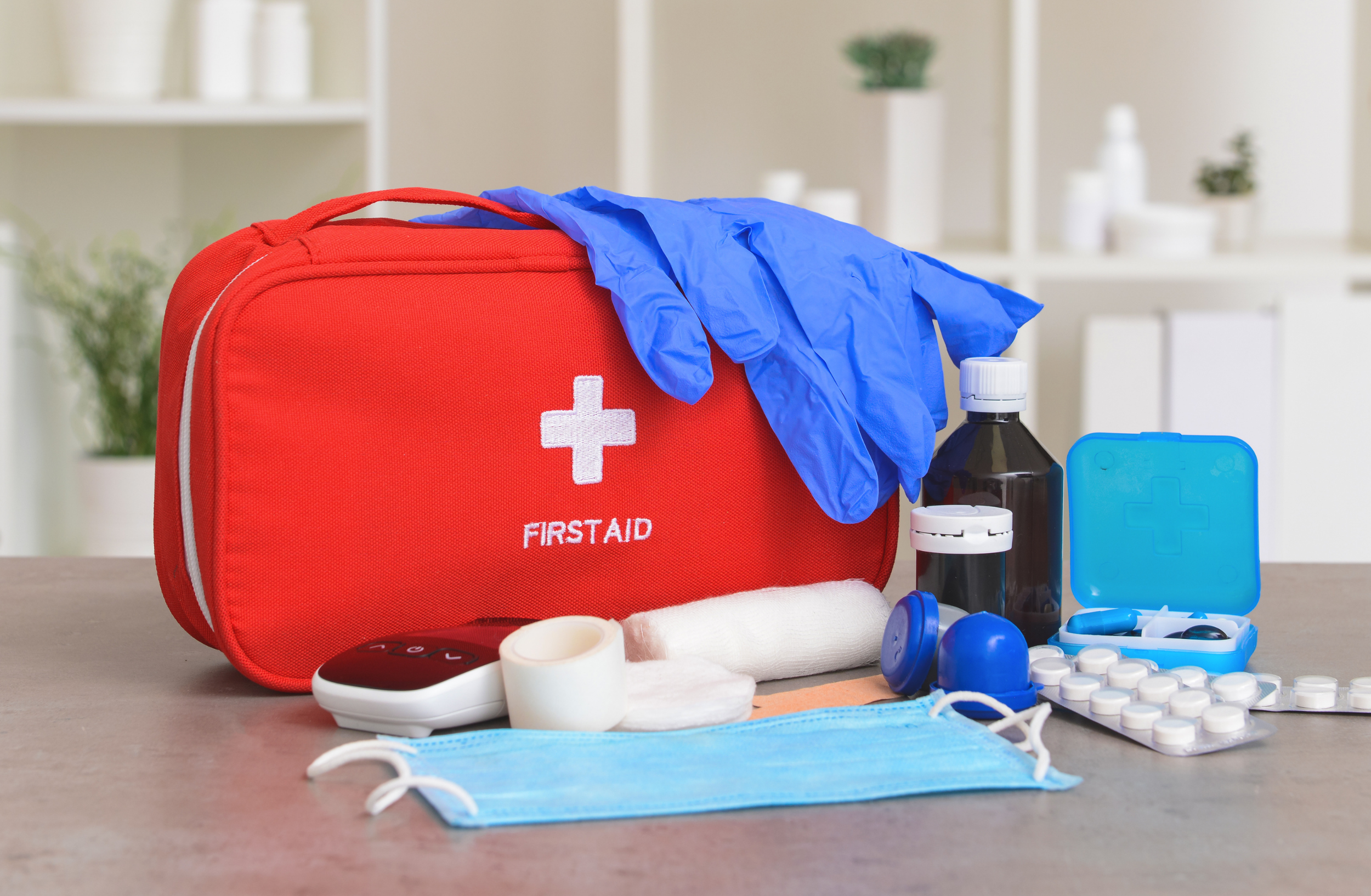
Event teams should know where first aid and emergency medical supplies are located and make sure trained people can access them quickly.
3. Make Medical Readiness Part of the Event Kit
Most event teams already carry backup tape, scissors, stain remover, chargers, and extra supplies. Medical readiness deserves a place on that checklist, too.
At minimum, teams should know where the venue keeps its first aid kit and automated external defibrillator, if one is available. Event companies may also choose to carry their own clearly labeled first aid supplies. The panel discussed the value of bleeding-control supplies, CPR certification, and high-visibility safety vests that make designated team members easier to find during an emergency.
Equipment is most useful when people know how to use it. The American College of Surgeons' STOP THE BLEED program offers training in recognizing and responding to life-threatening bleeding, while CPR and first aid courses can give team members greater confidence in an emergency.
The goal is not to turn vendors into first responders. It is to help the team recognize a serious situation, call 911 without delay, and provide appropriate assistance until trained responders arrive.

Identifying emergency exits, shelter locations, and evacuation routes should be part of every venue walkthrough.
4. Learn the Venue Before Guests Arrive
Every venue is different. During arrival or load-in, take a moment to identify the emergency exits, shelter locations, fire extinguishers, first aid supplies, and the best access point for emergency vehicles.
That information should not live with only one person. If the lead planner is helping a client or the venue manager is elsewhere when something happens, other key team members still need to know where to go and who to contact.
The 10/80/10 principle offers a useful way to think about how people may react in a crisis: roughly 10% respond calmly and decisively, 80% initially freeze or wait for direction, and 10% may panic or act counterproductively. The percentages are a generalization, but the practical takeaway is clear: preparation and visible leadership matter. When several team members know the plan, they can give guests calm, direct instructions when uncertainty is highest.
It is also worth confirming:
The venue's evacuation procedure
The address team members should give a 911 dispatcher
Who will meet and direct first responders
Who will guide guests
How the team will account for staff after an evacuation
Which exits or routes must remain clear throughout the event
OSHA's emergency-preparedness guidance emphasizes that workers should understand potential emergencies, reporting procedures, alarm systems, and evacuation plans. Even a short pre-event briefing can eliminate dangerous uncertainty later.
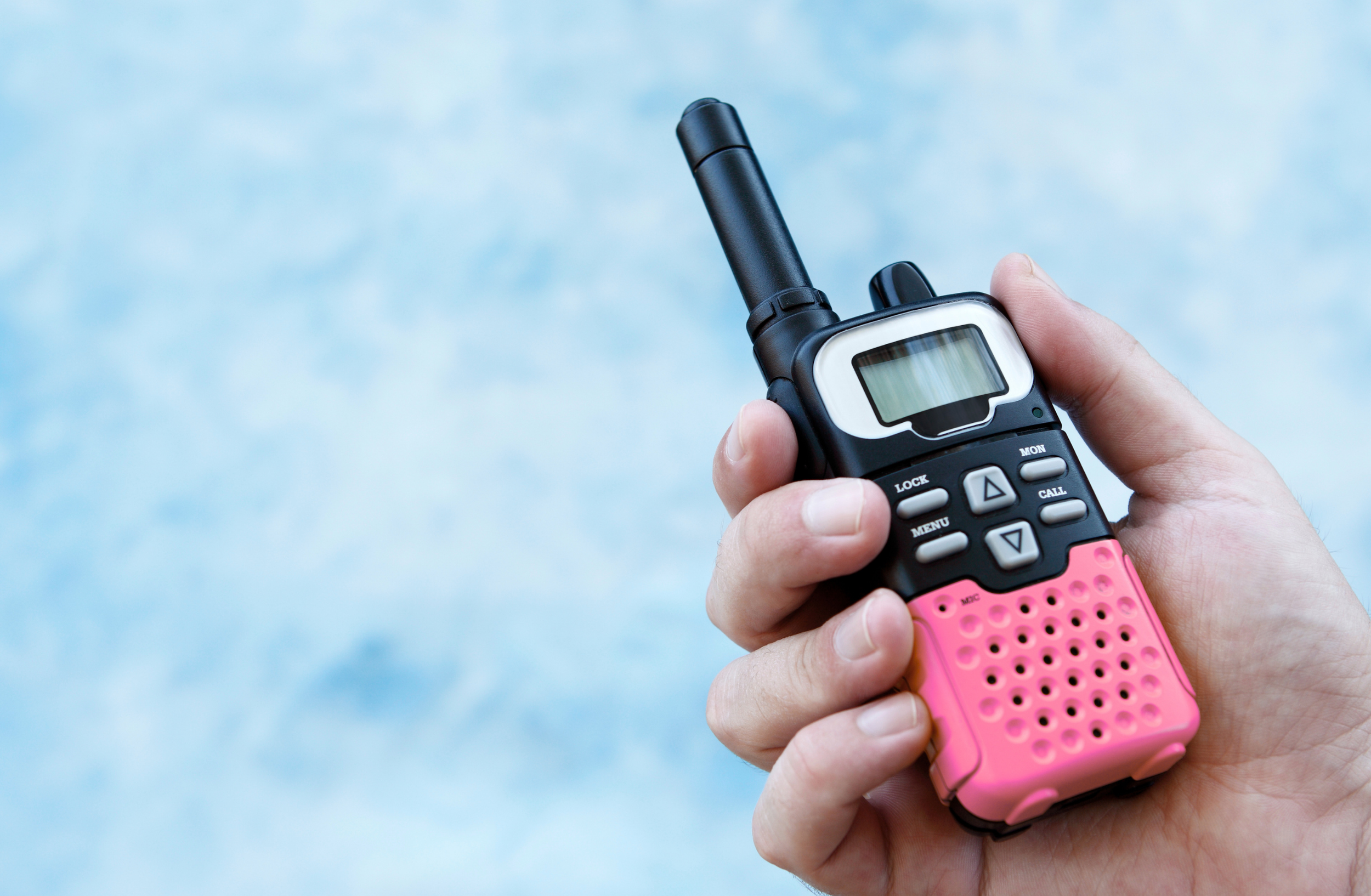
Clear communication begins with deciding who will contact emergency services, update the client, coordinate vendors, and direct guests.
5. Decide Who Communicates What
An emergency becomes harder to manage when everyone assumes someone else is making the call.
Before the event begins, identify who will contact 911, who will communicate with the client, who will address guests, who will coordinate vendors, and who will document what happened. Depending on the event, some of those roles may belong to the venue or planner. The important part is that they are discussed in advance.
Communication should be calm, direct, and easy to follow. In an urgent situation, people do not need a long explanation. They need to know what is happening, what action to take, and where to go.

Reviewing event insurance coverage, exclusions, and reporting requirements in advance can help prevent surprises after an incident.
6. Understand What Event Insurance Does (and Does Not) Cover
Emergency preparation also includes understanding the financial and contractual side of an event.
Wedding and event insurance may offer protection for certain cancellations, postponements, property damage, injuries, or other covered losses, depending on the policy. Coverage, exclusions, notice requirements, and deadlines vary, so assumptions can create expensive surprises.
Clients and event businesses should review their own policies with a qualified insurance professional and ask questions before an incident occurs. Vendors should also understand their contracts, liability coverage, documentation requirements, and who must be notified after an emergency.
A written emergency plan gives team members clear roles, contacts, and procedures before an urgent situation develops.
7. Plan for the Hours and Days Afterward
An emergency plan should not end when the immediate danger is over.
After an incident, the team may need to check on staff, preserve photos or records, notify the client and insurer, document expenses, adjust the remaining event schedule, or communicate with guests and vendors. A brief internal debrief can also help identify what worked, what caused confusion, and what should change before the next event.
The recovery process matters emotionally, too. Event professionals are accustomed to staying calm for everyone else, but a frightening or high-pressure incident can affect the people who managed it. Giving team members time to regroup and connecting them with support when needed is part of a responsible response.
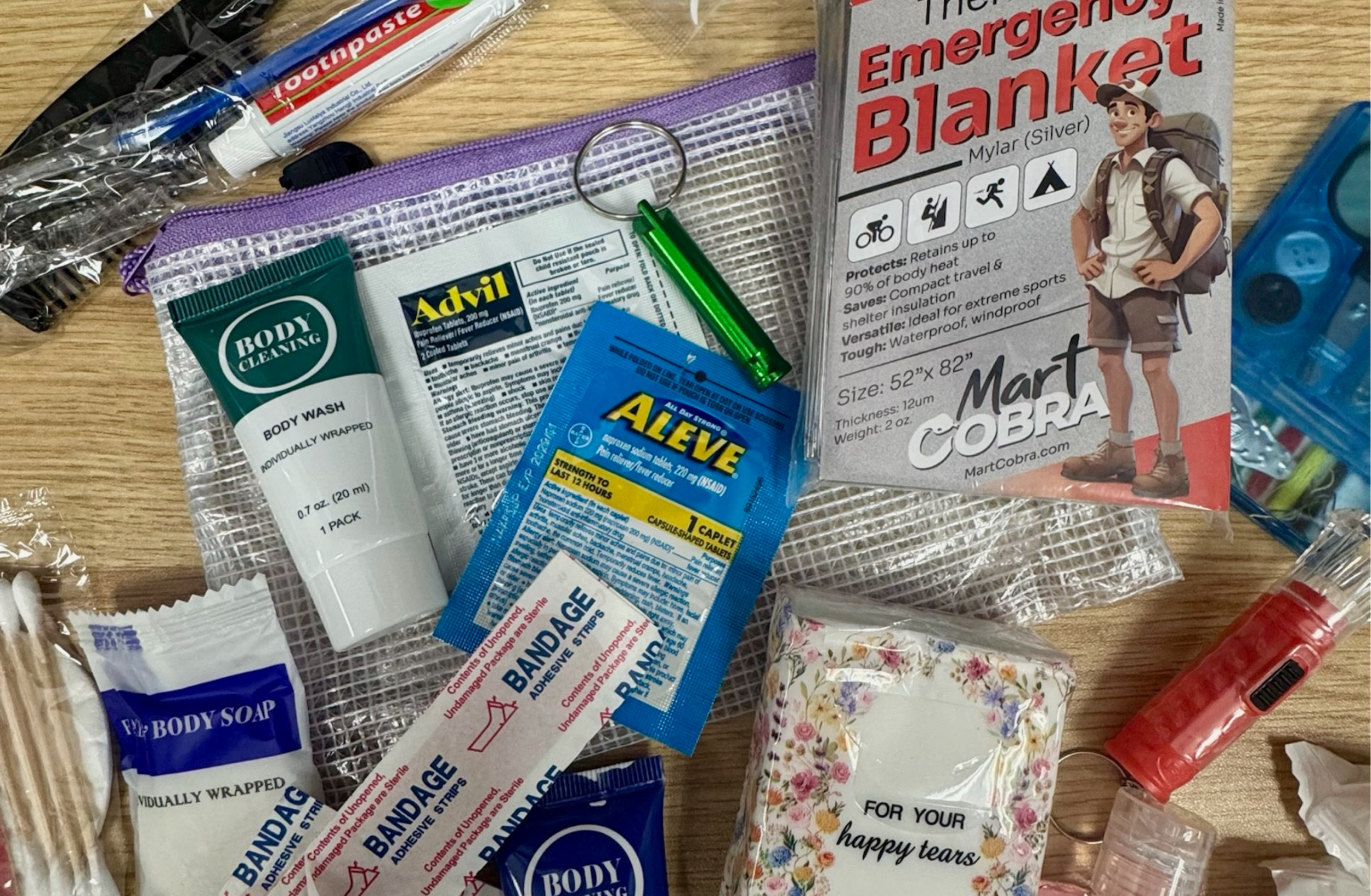
From first aid basics and an emergency blanket to tissues and a flashlight, a well-stocked event kit can help teams handle everyday problems while a broader emergency plan prepares them for more serious situations.
Preparation Is a Form of Hospitality
At The Cupcake Bar, we think a lot about the details that make an event feel joyful, seamless, and welcoming. Emergency preparation may happen behind the scenes, but it comes from that same instinct: caring for the people in the room.
We are grateful to AWPA Austin for creating space for this conversation and to the panelists who shared their hard-earned experience. Thank you as well to Hotel Viata and the creative partners who brought the event together.
Our biggest takeaway was simple: preparation is one of the most powerful tools an event professional can carry.
This article shares general event-preparedness takeaways and is not a substitute for emergency-response training, medical advice, legal advice, insurance guidance, or a venue-specific emergency plan. In an emergency, call 911 and follow instructions from venue staff and first responders.
A Great Event Takes the Right Team
Preparedness is only one part of creating an event that feels seamless. With more than 18 years of experience in Austin events, The Cupcake Bar brings fully staffed, interactive dessert experiences—and a team that knows how to coordinate with venues, planners, and fellow vendors.
Explore Our Event Experiences